
أفضل الأطعمة لصحة الجسم: A Comprehensive Guide to Nutrient-Dense Foods for Optimal Health
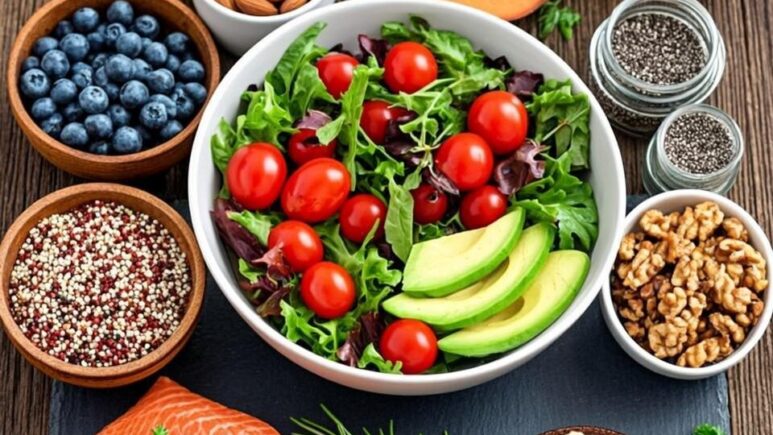
Introduction to أفضل الأطعمة لصحة الجسم
The pursuit of optimal health begins with the foods we consume daily. أفضل الأطعمة لصحة الجسم, or the best foods for body health, encompass a diverse range of nutrient-dense options that provide essential vitamins, minerals, antioxidants, and macronutrients. In today’s fast-paced world, understanding which foods truly nourish our bodies has become increasingly important for maintaining vitality, preventing disease, and promoting longevity.
Research consistently demonstrates that a balanced diet rich in whole foods can significantly reduce the risk of chronic conditions such as heart disease, type 2 diabetes, and certain cancers. The concept of food as medicine is not new; ancient civilisations recognised the healing properties of various foods long before modern science confirmed their benefits. Today, nutritional science has identified specific foods that stand out for their exceptional health-promoting properties.
This comprehensive guide explores the finest foods for body health across multiple categories, examining their nutritional profiles, health benefits, and practical ways to incorporate them into your daily diet. Whether you’re looking to boost your immune system, improve digestive health, enhance cognitive function, or simply feel more energetic, understanding أفضل الأطعمة لصحة الجسم is your foundation for wellbeing.
Leafy Green Vegetables: The Foundation of Body Health
Dark leafy greens represent some of the most nutrient-dense foods available, making them essential components of أفضل الأطعمة لصحة الجسم. Spinach, kale, Swiss chard, collard greens, and rocket provide impressive concentrations of vitamins A, C, K, and folate, alongside minerals such as iron, calcium, and potassium. These vegetables are also rich in chlorophyll, which gives them their vibrant green colour and offers protective antioxidant properties.
Kale, in particular, has gained recognition as a nutritional powerhouse. A single cup of raw kale contains over 100% of the daily recommended intake of vitamins A, C, and K, whilst providing minimal calories. Its high antioxidant content, including quercetin and kaempferol, helps combat oxidative stress and inflammation throughout the body. Regular consumption of leafy greens has been associated with reduced risk of heart disease, improved bone health, and enhanced cognitive function.
To maximise the nutritional benefits of leafy greens, consider consuming them both raw and cooked. Lightly steaming or sautéing greens like spinach can actually increase the bioavailability of certain nutrients, whilst adding a source of healthy fat such as olive oil helps your body absorb fat-soluble vitamins. Aim to include at least two servings of leafy greens in your daily diet for optimal health benefits.
Berries and Antioxidant-Rich Fruits
When discussing أفضل الأطعمة لصحة الجسم, berries deserve special mention for their exceptional antioxidant content. Blueberries, strawberries, raspberries, and blackberries are packed with anthocyanins, the compounds responsible for their rich colours and powerful health benefits. These antioxidants help protect cells from damage caused by free radicals, potentially reducing the risk of chronic diseases and slowing the ageing process.
Blueberries, often labelled a ‘superfood’, have been extensively studied for their cognitive benefits. Research suggests that regular consumption may improve memory, delay brain ageing, and enhance overall cognitive function. Additionally, berries have a low glycaemic index, making them excellent choices for maintaining stable blood sugar levels whilst satisfying sweet cravings.
Beyond berries, other fruits deserve recognition in the category of best foods for body health. Avocados, technically a fruit, provide heart-healthy monounsaturated fats, fibre, and potassium. Citrus fruits like oranges and grapefruits offer high vitamin C content, supporting immune function and collagen production. Pomegranates contain unique compounds called punicalagins, which have demonstrated anti-inflammatory and heart-protective effects in numerous studies.
Fatty Fish and Omega-3 Sources
Fatty fish represent some of the most beneficial foods for body health due to their high content of omega-3 fatty acids. Salmon, mackerel, sardines, trout, and herring provide eicosapentaenoic acid (EPA) and docosahexaenoic acid (DHA), the forms of omega-3 most readily used by the body. These essential fats play crucial roles in brain health, reducing inflammation, supporting cardiovascular function, and maintaining healthy skin.
Studies have consistently shown that populations consuming high amounts of fatty fish have lower rates of heart disease, depression, and age-related cognitive decline. The American Heart Association recommends consuming at least two servings of fatty fish per week to obtain adequate omega-3 fatty acids. For those following plant-based diets, alternatives include flaxseeds, chia seeds, walnuts, and algae-based supplements, though the conversion of plant-based omega-3s (ALA) to EPA and DHA is relatively inefficient.
When selecting fish, prioritise sustainably sourced options to minimise exposure to contaminants such as mercury and PCBs. Wild-caught salmon generally offers superior nutritional profiles compared to farmed varieties, though responsible aquaculture practices are improving. For more information on sustainable seafood choices, visit the Marine Stewardship Council website.
Nuts, Seeds, and Healthy Fats
Nuts and seeds are integral components of أفضل الأطعمة لصحة الجسم, providing a concentrated source of healthy fats, protein, fibre, vitamins, and minerals. Almonds, walnuts, pistachios, and Brazil nuts offer distinct nutritional profiles that support various aspects of health. Walnuts, for instance, are uniquely high in alpha-linolenic acid (ALA), a plant-based omega-3 fatty acid that supports brain health.
Seeds such as chia, flax, hemp, and pumpkin seeds are nutritional powerhouses in their own right. Chia seeds absorb liquid and form a gel-like consistency, making them excellent for digestive health and providing sustained energy. Flaxseeds, when ground, offer lignans—compounds with antioxidant properties that may help balance hormone levels. Hemp seeds provide a complete protein source and an optimal ratio of omega-3 to omega-6 fatty acids.
Extra virgin olive oil deserves special mention as a cornerstone of the Mediterranean diet, consistently ranked among the healthiest dietary patterns. Rich in oleic acid and powerful polyphenols, olive oil has been associated with reduced risk of heart disease, improved brain health, and anti-inflammatory effects. When selecting olive oil, look for cold-pressed, extra virgin varieties in dark glass bottles to ensure maximum nutritional quality.
Whole Grains and Complex Carbohydrates
Whole grains form an essential part of أفضل الأطعمة لصحة الجسم, providing sustained energy, fibre, and a range of important nutrients. Unlike refined grains, which have been stripped of their bran and germ, whole grains retain all components of the grain, delivering maximum nutritional value. Oats, quinoa, brown rice, barley, and whole wheat offer distinct benefits and can be incorporated into various meals throughout the day.
Oats contain a specific type of soluble fibre called beta-glucan, which has been shown to reduce cholesterol levels, improve blood sugar control, and support healthy gut bacteria. Quinoa, technically a seed but prepared as a grain, provides complete protein containing all nine essential amino acids—a rarity in plant foods. It’s also naturally gluten-free, making it suitable for those with coeliac disease or gluten sensitivity.
The fibre content in whole grains supports digestive health, promotes feelings of fullness, and helps regulate blood sugar levels. Studies have consistently linked whole grain consumption to reduced risk of type 2 diabetes, heart disease, and certain cancers. When selecting grain products, look for ‘100% whole grain’ on labels, as products labelled simply ‘multigrain’ or ‘wheat’ may primarily contain refined flour.
Fermented Foods and Gut Health
The importance of gut health has gained significant attention in recent years, with research revealing the profound impact of the microbiome on overall health. Fermented foods represent some of the best foods for body health due to their probiotic content—live beneficial bacteria that support digestive and immune function. Yogurt, kefir, sauerkraut, kimchi, kombucha, and tempeh have been consumed for centuries across various cultures for their health-promoting properties.
Yogurt and kefir, when made from quality milk and containing live cultures, provide excellent sources of bioavailable calcium, protein, and probiotics. Regular consumption has been associated with improved digestion, enhanced immune function, and better nutrient absorption. For those avoiding dairy, coconut milk yogurt and water kefir offer alternative probiotic sources.
Kimchi and sauerkraut, fermented vegetables rich in fibre and beneficial bacteria, also provide vitamins C and K. The fermentation process enhances the bioavailability of nutrients and creates bioactive compounds with anti-inflammatory properties. When purchasing fermented foods, choose unpasteurised varieties when possible, as pasteurisation kills the beneficial bacteria. Alternatively, consider fermenting vegetables at home for a cost-effective and rewarding way to incorporate these foods into your diet.
Legumes and Plant-Based Proteins
Legumes—including beans, lentils, chickpeas, and peas—are among the most nutritious and affordable foods available, making them essential in any discussion of أفضل الأطعمة لصحة الجسم. These plant-based protein sources provide a winning combination of protein, complex carbohydrates, fibre, vitamins, and minerals whilst being naturally low in fat and free from cholesterol.
Lentils deserve particular attention for their impressive nutritional profile. A single cup of cooked lentils provides approximately 18 grams of protein, 16 grams of fibre, and significant amounts of iron, folate, and manganese. Their high fibre content supports digestive health, helps regulate blood sugar, and promotes cardiovascular health by reducing cholesterol levels. Studies have shown that regular legume consumption is associated with lower body weight and reduced risk of metabolic syndrome.
Chickpeas, the primary ingredient in hummus, offer similar benefits and have been linked to improved blood lipid profiles and better weight management. Black beans, kidney beans, and pinto beans provide anthocyanins—the same beneficial compounds found in berries—alongside their protein and fibre content. To maximise nutrient absorption from legumes, pair them with vitamin C-rich foods to enhance iron absorption, and soak dried legumes before cooking to reduce phytic acid, which can inhibit mineral absorption.
Cruciferous Vegetables and Sulphur-Rich Foods
Cruciferous vegetables—including broccoli, cauliflower, Brussels sprouts, cabbage, and bok choy—are standout examples of أفضل الأطعمة لصحة الجسم due to their unique phytochemical content. These vegetables contain glucosinolates, sulphur-containing compounds that give them their characteristic pungent aroma and contribute to their potent health benefits.
When cruciferous vegetables are chopped, chewed, or cooked, glucosinolates are broken down into bioactive compounds such as sulforaphane and indole-3-carbinol. Research suggests these compounds have cancer-fighting properties, supporting the body’s natural detoxification processes and helping to regulate cell growth. Broccoli sprouts, in particular, contain exceptionally high levels of sulforaphane—up to 100 times more than mature broccoli.
To maximise the nutritional benefits of cruciferous vegetables, avoid overcooking them, as excessive heat can destroy some of their beneficial compounds. Lightly steaming, stir-frying, or enjoying them raw in salads preserves both nutrients and crunch. For those with thyroid concerns, cooking cruciferous vegetables can help reduce goitrogenic compounds that may interfere with iodine absorption. Allium vegetables such as garlic, onions, and leeks also provide beneficial sulphur compounds and pair excellently with cruciferous vegetables in both flavour and nutritional synergy.
Practical Strategies for Incorporating أفضل الأطعمة لصحة الجسم
Understanding which foods are best for body health is only the first step; the real challenge lies in consistently incorporating them into your daily diet. A practical approach involves focusing on addition rather than restriction—instead of eliminating less healthy foods entirely, concentrate on adding more nutrient-dense options to your meals. This positive approach tends to be more sustainable and naturally crowds out less nutritious choices over time.
Meal planning and preparation can significantly improve dietary quality. Dedicate time each week to plan meals featuring a variety of the foods discussed in this article. Batch cooking grains, roasting vegetables, and preparing protein sources in advance makes assembling nutritious meals quick and convenient throughout the week. Keep a well-stocked pantry with staples like nuts, seeds, whole grains, and legumes to ensure you always have healthy options available.
Consider the concept of eating the rainbow—aiming to consume fruits and vegetables of various colours daily. Each colour indicates different beneficial phytonutrients, so a diverse colour palette ensures a broad spectrum of health-promoting compounds. Start your day with a nutrient-dense breakfast containing protein, healthy fats, and fibre—perhaps Greek yogurt with berries and nuts, or eggs with spinach and avocado. Throughout the day, aim to fill half your plate with vegetables, a quarter with quality protein, and a quarter with whole grains or starchy vegetables.
Remember that dietary changes need not be dramatic to be effective. Small, consistent improvements in food choices compound over time, leading to significant health benefits. Listen to your body’s responses to different foods, as individual nutritional needs vary. Consulting with a registered dietitian can provide personalised guidance tailored to your specific health goals and circumstances.
Visitor comments ( 0 )