
Best Foods For Better Health: A Comprehensive Guide to Nutritional Wellness
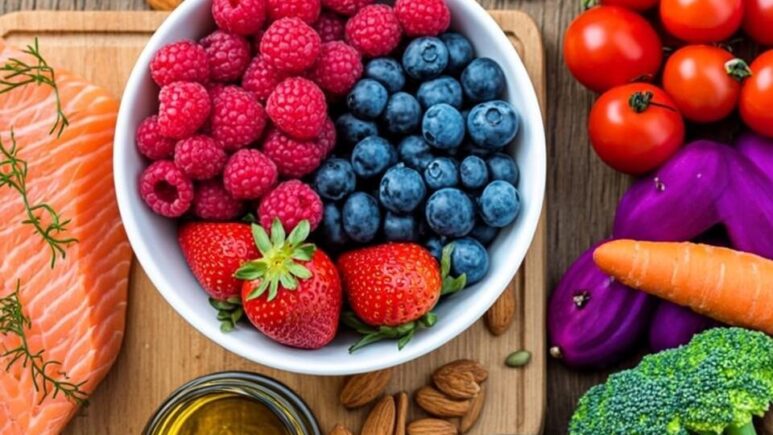
Leafy Greens: The Foundation of Optimal Health
When discussing the best foods for better health, leafy green vegetables undoubtedly deserve their place at the top of the list. Spinach, kale, Swiss chard, and collard greens are nutritional powerhouses packed with essential vitamins, minerals, and phytonutrients that support overall wellbeing. These vegetables are particularly rich in vitamins A, C, and K, whilst also providing substantial amounts of folate, iron, and calcium.
The high antioxidant content in leafy greens helps combat oxidative stress in the body, which is linked to chronic diseases such as heart disease, diabetes, and certain cancers. Additionally, the fibre content in these vegetables promotes healthy digestion and helps maintain stable blood sugar levels. Research has consistently shown that individuals who consume adequate amounts of leafy greens have lower rates of cognitive decline and better cardiovascular health.
To incorporate more leafy greens into your diet, consider adding spinach to your morning smoothie, enjoying a large kale salad for lunch, or sautéing Swiss chard as a side dish for dinner. The versatility of these vegetables makes them an excellent choice for anyone looking to improve their health through better nutrition.
Berries: Nature’s Antioxidant Powerhouses
Among the best foods for better health, berries hold a special place due to their exceptional antioxidant content and low glycaemic index. Blueberries, strawberries, raspberries, and blackberries are rich in anthocyanins, which give them their vibrant colours and provide numerous health benefits. These compounds have been shown to reduce inflammation, protect against cellular damage, and support brain health.
Studies have demonstrated that regular consumption of berries can improve memory and cognitive function, particularly in older adults. The high vitamin C content in berries also supports immune function and promotes healthy skin by stimulating collagen production. Furthermore, the fibre found in berries helps promote feelings of fullness, making them an excellent choice for those managing their weight.
Fresh or frozen berries can be easily incorporated into your daily diet. Add them to your breakfast cereal or yoghurt, blend them into smoothies, or enjoy them as a naturally sweet snack. When berries are out of season, frozen varieties retain their nutritional value and are often more affordable.
Fatty Fish: Essential Omega-3 Sources
When considering the best foods for better health, fatty fish such as salmon, mackerel, sardines, and trout are indispensable. These fish are among the richest dietary sources of omega-3 fatty acids, specifically EPA and DHA, which are crucial for heart and brain health. The NHS recommends consuming at least two portions of fish per week, including one portion of oily fish.
Omega-3 fatty acids have been extensively studied for their anti-inflammatory properties and their role in reducing the risk of cardiovascular disease. They help lower triglycerides, reduce blood pressure, and decrease the risk of arrhythmias. Additionally, these essential fats are vital for brain development and cognitive function throughout life, from pregnancy through older adulthood.
Fatty fish also provide excellent quality protein, vitamin D, and selenium. Vitamin D is particularly important as many people in the UK have insufficient levels, especially during winter months. For those who don’t consume fish, plant-based omega-3 sources such as flaxseeds, chia seeds, and walnuts can provide ALA, though the conversion to EPA and DHA is less efficient.
Whole Grains: Fibre-Rich Foundations for Digestive Health
Whole grains are fundamental among the best foods for better health, providing essential fibre, B vitamins, and minerals that refined grains lack. Oats, brown rice, quinoa, barley, and whole wheat contain all parts of the grain kernel, including the bran, germ, and endosperm, which house the majority of the nutrients.
The soluble fibre found in oats and barley has been shown to lower cholesterol levels and improve heart health. Insoluble fibre, abundant in whole wheat and brown rice, promotes regular bowel movements and supports a healthy gut microbiome. Research indicates that individuals who consume three or more servings of whole grains daily have a significantly lower risk of type 2 diabetes, heart disease, and certain cancers compared to those who rarely eat whole grains.
When transitioning to whole grains, start by substituting half of your white rice with brown rice or choosing whole wheat pasta instead of refined varieties. Experiment with ancient grains like quinoa, which is a complete protein, or try barley in soups and stews. The nutty flavour and satisfying texture of whole grains make them a delicious addition to any meal.
Nuts and Seeds: Compact Nutritional Powerhouses
Nuts and seeds deserve prominent recognition among the best foods for better health due to their concentrated source of healthy fats, protein, fibre, vitamins, and minerals. Almonds, walnuts, pistachios, pumpkin seeds, and sunflower seeds offer unique nutritional profiles that support various aspects of health.
Walnuts are particularly notable for their high alpha-linolenic acid (ALA) content, a plant-based omega-3 fatty acid that supports brain health. Almonds provide exceptional amounts of vitamin E, which acts as an antioxidant and supports skin health. Pumpkin seeds are rich in magnesium, a mineral essential for over 300 biochemical reactions in the body, including energy production and muscle function.
Despite being calorie-dense, studies consistently show that regular nut consumption is associated with lower body weight and reduced risk of cardiovascular disease. The combination of protein, fibre, and healthy fats promotes satiety and helps stabilise blood sugar levels. A handful of nuts or seeds daily can significantly contribute to your overall nutrient intake whilst satisfying hunger between meals.
Fermented Foods: Supporting Gut Health and Immunity
Fermented foods have gained recognition as some of the best foods for better health, primarily due to their probiotic content and positive effects on gut microbiome diversity. Yoghurt, kefir, sauerkraut, kimchi, and kombucha undergo fermentation processes that produce beneficial bacteria and bioactive compounds.
A healthy gut microbiome is essential for proper digestion, nutrient absorption, and immune function. Approximately 70% of the immune system resides in the gut, making gut health crucial for overall wellbeing. Regular consumption of fermented foods has been associated with improved digestion, reduced inflammation, and enhanced immune response.
When selecting fermented foods, choose unpasteurised varieties when possible, as pasteurisation kills the beneficial bacteria. For dairy-based options like yoghurt and kefir, opt for products with live and active cultures. Start with small portions if you’re new to fermented foods, as the introduction of probiotics can initially cause mild digestive changes. Gradually increase your intake to allow your gut microbiome to adjust and flourish.
Colourful Vegetables: Maximising Phytonutrient Intake
Among the best foods for better health, colourful vegetables provide an array of phytonutrients that offer protection against various diseases. The concept of ‘eating the rainbow’ ensures consumption of diverse beneficial compounds, including carotenoids in orange and yellow vegetables, anthocyanins in purple varieties, and glucosinolates in cruciferous vegetables.
Carrots, sweet potatoes, and butternut squash are rich in beta-carotene, which the body converts to vitamin A for healthy vision and immune function. Tomatoes contain lycopene, a powerful antioxidant associated with reduced risk of prostate cancer and cardiovascular disease. Cruciferous vegetables like broccoli, cauliflower, and Brussels sprouts contain sulphur compounds that support detoxification processes and may help prevent certain cancers.
To maximise the nutritional benefits, consume a variety of colours daily. Roast a medley of vegetables for dinner, add grated carrots to your lunch salad, or enjoy cherry tomatoes as a snack. Different cooking methods can enhance nutrient availability; for instance, cooking tomatoes increases lycopene absorption, whilst lightly steaming broccoli preserves its vitamin C content.
Legumes: Affordable Protein and Fibre Sources
Legumes, including beans, lentils, and chickpeas, are among the best foods for better health, offering an economical and nutritious alternative to animal protein. These plant-based powerhouses provide substantial amounts of protein, fibre, complex carbohydrates, iron, folate, and potassium whilst being naturally low in fat and free from cholesterol.
The combination of protein and fibre in legumes promotes satiety and helps maintain stable blood sugar levels, making them particularly beneficial for individuals with diabetes or those managing their weight. Studies have shown that regular legume consumption is associated with lower rates of cardiovascular disease, type 2 diabetes, and certain cancers. The soluble fibre in legumes also helps lower LDL cholesterol levels.
Incorporate legumes into your diet by adding lentils to soups and stews, enjoying hummus as a dip, or substituting mashed beans for some of the meat in recipes like chilli or Bolognese sauce. Canned varieties offer convenience, though dried legumes are more economical. If using canned versions, rinse them thoroughly to reduce sodium content.
Hydration: The Often Overlooked Essential
Whilst not technically a food, proper hydration is fundamental to achieving better health and deserves mention alongside the best foods. Water supports every cellular function in the body, from temperature regulation to nutrient transport and waste elimination. Even mild dehydration can cause fatigue, headaches, and impaired cognitive function.
The European Food Safety Authority recommends approximately 2.5 litres of water daily for men and 2.0 litres for women, including water from food sources. Fruits and vegetables with high water content, such as watermelon, cucumber, and celery, contribute to overall hydration whilst providing additional nutrients.
Herbal teas and infused waters can make hydration more enjoyable for those who find plain water unappealing. Limit caffeinated and alcoholic beverages, as they can have diuretic effects. Pay attention to your body’s signals; thirst, urine colour, and frequency of urination are good indicators of hydration status. Proper hydration enhances the benefits of all the nutritious foods you consume by facilitating nutrient absorption and cellular function.
Visitor comments ( 0 )