
Healthy Foods You Should Eat Every Day: A Comprehensive Guide to Daily Nutrition
Introduction to Healthy Foods You Should Eat Every Day
Maintaining a balanced diet is essential for overall health and wellbeing. The foods we consume daily play a crucial role in providing our bodies with the necessary nutrients, vitamins, and minerals required for optimal functioning. In this comprehensive guide, we will explore the healthy foods you should eat every day to ensure you are meeting your nutritional needs.
Understanding which foods to incorporate into your daily diet can be overwhelming, given the abundance of information available. However, by focusing on nutrient-dense, whole foods, you can significantly improve your health and reduce the risk of chronic diseases. This article will provide you with a clear understanding of the essential food groups and specific items that deserve a place on your plate each day.
Before we delve into the specific foods, it is important to note that individual nutritional needs may vary based on factors such as age, gender, activity level, and underlying health conditions. It is always advisable to consult with a healthcare professional or registered dietitian before making significant changes to your diet.
Leafy Greens: The Foundation of Daily Nutrition
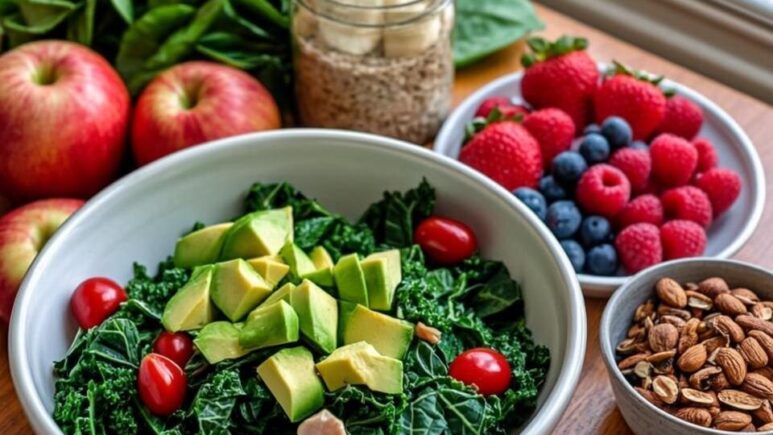
Leafy green vegetables are arguably the most important healthy foods you should eat every day. These nutritional powerhouses are low in calories but packed with essential vitamins, minerals, and phytochemicals. Spinach, kale, Swiss chard, and collard greens are excellent choices that can easily be incorporated into various meals.
Spinach, for instance, is rich in iron, calcium, and vitamins A and K. It also contains lutein and zeaxanthin, which are crucial for eye health. Kale, often hailed as a superfood, is an excellent source of vitamin C, vitamin K, and powerful antioxidants. Consuming a variety of leafy greens daily ensures you receive a broad spectrum of nutrients.
To maximise the benefits, aim for at least two to three servings of leafy greens each day. You can add them to smoothies, salads, soups, or stir-fries. For those who find the taste of some greens too bitter, mixing them with sweeter vegetables or fruits can help make them more palatable whilst retaining their nutritional value.
Berries and Fruits: Nature’s Antioxidant Powerhouses
When considering healthy foods you should eat every day, berries and a variety of fruits should be high on your list. Blueberries, strawberries, raspberries, and blackberries are exceptionally rich in antioxidants, particularly anthocyanins, which give them their vibrant colours. These compounds help protect your cells from damage caused by free radicals and may reduce the risk of chronic diseases.
Blueberries, in particular, have been extensively studied for their cognitive benefits. Research suggests that regular consumption may improve memory and delay age-related cognitive decline. Strawberries are an excellent source of vitamin C and manganese, whilst raspberries provide a significant amount of dietary fibre.
Beyond berries, incorporating a variety of fruits such as apples, oranges, and bananas ensures you receive a wide range of vitamins and minerals. The NHS recommends consuming at least five portions of fruit and vegetables daily. Remember to eat whole fruits rather than drinking fruit juices, as whole fruits retain the fibre that helps regulate blood sugar levels and promotes digestive health.
Whole Grains: Essential Energy for Daily Life
Whole grains are among the healthy foods you should eat every day for sustained energy and digestive health. Unlike refined grains, whole grains retain all parts of the grain kernel, including the bran, germ, and endosperm. This means they provide significantly more fibre, vitamins, and minerals.
Oats are an excellent choice for a daily whole grain. They contain a specific type of soluble fibre called beta-glucan, which has been shown to reduce cholesterol levels and promote healthy gut bacteria. Starting your day with a bowl of porridge made from rolled or steel-cut oats provides steady energy and keeps you feeling full for longer.
Brown rice, quinoa, and whole wheat are other valuable whole grains to include in your daily diet. Quinoa is particularly noteworthy as it is a complete protein, containing all nine essential amino acids. It also provides significant amounts of magnesium, iron, and zinc. When selecting bread or pasta, opt for whole grain varieties to ensure you are getting the maximum nutritional benefit from these staple foods.
Lean Proteins: Building Blocks for a Healthy Body
Protein is essential for building and repairing tissues, producing enzymes and hormones, and maintaining muscle mass. When considering healthy foods you should eat every day, lean protein sources should feature prominently. Eggs are one of the most nutritious protein sources available, containing high-quality protein along with vitamins B2, B12, D, and choline.
For those who consume animal products, fatty fish such as salmon, mackerel, and sardines should be eaten at least twice a week. These fish are rich in omega-3 fatty acids, which are crucial for heart and brain health. The British Dietetic Association highlights the importance of omega-3s for reducing inflammation and supporting cardiovascular health.
Plant-based protein sources are equally important and should be included daily. Legumes such as lentils, chickpeas, and beans provide protein along with fibre, iron, and folate. They are also incredibly versatile and can be used in soups, stews, salads, and curries. Tofu and tempeh are excellent options for those following vegetarian or vegan diets, offering complete protein profiles along with calcium and other minerals.
Nuts, Seeds, and Healthy Fats
Healthy fats are crucial for nutrient absorption, hormone production, and brain function. Among the healthy foods you should eat every day, nuts and seeds deserve special attention. Almonds, walnuts, and Brazil nuts provide healthy monounsaturated and polyunsaturated fats, along with vitamin E, magnesium, and selenium.
Walnuts are particularly beneficial as they are one of the best plant sources of omega-3 fatty acids. A small handful of mixed nuts daily can improve heart health and may help with weight management by promoting satiety. Seeds such as chia, flax, and pumpkin seeds are also nutritional powerhouses. Chia seeds are rich in fibre and omega-3s, whilst flaxseeds provide lignans, which have antioxidant properties.
Extra virgin olive oil should be your primary cooking oil. It contains oleic acid, a monounsaturated fat that has been linked to reduced inflammation and improved heart health. Avocados are another excellent source of healthy fats and provide additional benefits through their potassium and fibre content. Half an avocado daily can significantly contribute to your nutritional intake.
Fermented Foods and Gut Health
The importance of gut health has gained significant attention in recent years, making fermented foods essential among the healthy foods you should eat every day. These foods contain beneficial probiotic bacteria that support digestive health, immune function, and even mental wellbeing.
Yoghurt, particularly live or active culture varieties, is perhaps the most accessible fermented food. It provides calcium, protein, and probiotics in one convenient package. When selecting yoghurt, opt for plain, unsweetened varieties to avoid added sugars. Kefir, a fermented milk drink, offers an even wider variety of probiotic strains and is well-tolerated by many people who are lactose intolerant.
For those who prefer non-dairy options, kombucha, sauerkraut, and kimchi are excellent choices. Kimchi, a Korean fermented vegetable dish, not only provides probiotics but also contains vitamins A and C. Including a small portion of fermented foods in your daily diet can help maintain a healthy balance of gut bacteria, which is increasingly recognised as fundamental to overall health.
Hydration: The Often Overlooked Essential
Whilst not technically a food, water is undoubtedly one of the most essential elements of a healthy daily diet. Proper hydration is crucial for every bodily function, from regulating temperature to transporting nutrients. The general recommendation is to drink at least six to eight glasses of water daily, though individual needs may vary based on activity level and climate.
Green tea deserves mention among healthy beverages you should consume daily. It is rich in polyphenols, particularly catechins, which have powerful antioxidant properties. Regular consumption of green tea has been associated with improved brain function, fat loss, and a reduced risk of certain cancers. Herbal teas such as chamomile and peppermint also offer various health benefits without the caffeine content.
It is worth noting that fruits and vegetables with high water content, such as watermelon, cucumber, and celery, can contribute to your daily hydration needs. However, these should complement rather than replace plain water intake. Limiting sugary drinks and excessive caffeine is also important for maintaining optimal hydration and overall health.
Practical Tips for Daily Implementation
Knowing which healthy foods you should eat every day is only the first step; implementing this knowledge into your daily routine is equally important. Meal planning and preparation can significantly help in maintaining a nutritious diet. Consider dedicating time each week to plan your meals, ensuring they incorporate a variety of the foods discussed in this article.
Starting your day with a nutritious breakfast sets the tone for healthy eating throughout the day. A bowl of porridge topped with berries and nuts, or a smoothie containing spinach, banana, and chia seeds, provides an excellent foundation. For lunch and dinner, aim to fill half your plate with vegetables, a quarter with lean protein, and a quarter with whole grains.
Keeping healthy snacks readily available can prevent unhealthy food choices when hunger strikes. Stock your pantry with nuts, seeds, and dried fruits, and keep fresh fruit visible in your kitchen. Remember that consistency is more important than perfection. Small, sustainable changes to your daily eating habits will yield better long-term results than drastic, short-lived diets.
Conclusion: Embracing Daily Healthy Eating
Incorporating the healthy foods you should eat every day into your diet is a powerful step towards improved health and vitality. By focusing on leafy greens, berries, whole grains, lean proteins, nuts, seeds, and fermented foods, you provide your body with the essential nutrients it needs to thrive. Remember that variety is key to ensuring you receive a broad spectrum of vitamins, minerals, and phytonutrients.
It is important to approach dietary changes with patience and self-compassion. Transitioning to a healthier diet is a journey, and occasional indulgences are perfectly normal. The goal is to create sustainable eating patterns that you can maintain over the long term. By making conscious choices about the foods you eat each day, you are investing in your current and future health.
As we continue to learn more about nutrition and its impact on health, the fundamental principles remain consistent: eat a variety of whole, minimally processed foods, stay hydrated, and listen to your body’s needs. By following these guidelines and incorporating the foods discussed in this article, you can build a foundation for lifelong health and wellbeing.
Visitor comments ( 0 )