
Best High-Protein Foods For Weight Management: A Comprehensive Guide
Understanding the Role of Protein in Weight Management
Protein is one of the three essential macronutrients, alongside carbohydrates and fats, and it plays a uniquely important role in weight management. When we consume protein-rich foods, our bodies undergo several physiological processes that directly support weight loss and weight maintenance efforts.
Firstly, protein has the highest thermic effect of food (TEF) among all macronutrients. This means your body burns more calories digesting and metabolising protein compared to carbohydrates or fats. Studies suggest that approximately 20-30% of the calories in protein are used during digestion, compared to only 5-10% for carbohydrates and 0-3% for fats.
Secondly, protein is highly satiating. It reduces levels of ghrelin, the hunger hormone, whilst simultaneously boosting levels of peptide YY and GLP-1, hormones that promote feelings of fullness. This dual action helps naturally reduce overall calorie intake without the sensation of deprivation that often accompanies weight management programmes.
Additionally, adequate protein intake preserves lean muscle mass during periods of calorie restriction. This is crucial because muscle tissue is metabolically active, meaning it burns calories even at rest. By maintaining muscle mass, you help sustain a healthy metabolic rate throughout your weight management journey.
Animal-Based High-Protein Foods for Effective Weight Management
Animal proteins are complete proteins, meaning they contain all nine essential amino acids your body cannot produce independently. This makes them particularly valuable for weight management.
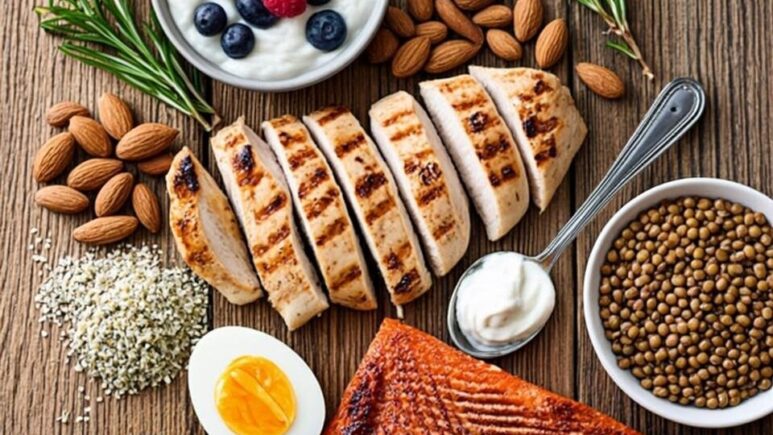
Chicken and turkey breast are standout choices, offering approximately 31g of protein per 100g serving whilst remaining remarkably low in fat and calories. Removing the skin before cooking further reduces fat content. These lean poultry options are versatile, affordable, and easily incorporated into various dishes.
Fish deserves special mention in any weight management discussion. Salmon, whilst slightly higher in fat, provides approximately 20g of protein per 100g alongside heart-healthy omega-3 fatty acids. White fish such as cod, haddock, and tilapia offer similar protein content with minimal fat. Research published in the International Journal of Obesity demonstrated that participants who consumed fish regularly lost more weight than those who didn’t, even when total calorie intake remained similar.
Eggs represent one of the most cost-effective protein sources available. A single large egg contains approximately 6g of high-quality protein for only 70-80 calories. Studies have shown that consuming eggs for breakfast can increase satiety and reduce calorie intake throughout the day compared to carbohydrate-rich breakfast options.
Greek yoghurt, particularly the strained variety, delivers an impressive 10g of protein per 100g serving. It also contains probiotics that support gut health, which emerging research suggests may influence weight management. Choose plain, unsweetened varieties to avoid added sugars that could undermine your weight management efforts.
Plant-Based Protein Powerhouses for Weight Management
Plant-based proteins offer excellent options for weight management, often providing additional benefits such as fibre, vitamins, and minerals whilst typically containing less saturated fat than animal sources.
Lentils and legumes are exceptional choices, with lentils providing approximately 9g of protein per 100g cooked serving. They’re also rich in soluble fibre, which slows digestion and promotes extended satiety. Chickpeas, black beans, and kidney beans offer similar nutritional profiles and can form the foundation of numerous satisfying meals.
Tofu and tempeh, made from soybeans, deliver complete protein containing all essential amino acids. Firm tofu provides around 12g of protein per 100g, whilst tempeh offers an even more impressive 19g per 100g. These soy-based options also contain compounds called isoflavones, which some studies suggest may support metabolic health.
Quinoa, technically a seed rather than a grain, provides approximately 4g of protein per 100g cooked serving. Though this might seem modest compared to other sources, quinoa is notable for being a complete plant protein. It also contains significant fibre, magnesium, and iron.
Hemp seeds and chia seeds deserve mention for their exceptional nutritional profiles. Hemp seeds provide approximately 10g of complete protein per 30g serving, whilst chia seeds offer 4g of protein per 30g alongside an impressive 10g of fibre. Both can be easily incorporated into smoothies, yoghurt, or porridge.
Edamame, young soybeans harvested before they harden, provides 11g of protein per 100g whilst being low in calories. They make an excellent snack or addition to stir-fries and salads.
Protein-Rich Dairy Options for Sustained Weight Management
Dairy products offer a convenient and effective way to increase protein intake for weight management, provided you choose wisely.
Cottage cheese stands out as a weight management favourite, providing approximately 11g of protein per 100g serving with minimal calories. It’s particularly rich in casein protein, which digests slowly and provides a sustained release of amino acids. This slow digestion helps maintain feelings of fullness for extended periods, making it an excellent evening snack.
Skimmed milk delivers approximately 3.4g of protein per 100ml, making it a simple way to add protein to meals and snacks. Research published in the American Journal of Clinical Nutrition indicated that dairy calcium may enhance fat loss, particularly from the abdominal region, when combined with a calorie-controlled diet.
Whey protein powder, derived from milk during cheese production, offers one of the most concentrated protein sources available. A typical 30g serving provides 20-25g of protein for approximately 100-120 calories. Whey protein is rapidly absorbed, making it particularly beneficial post-exercise. Numerous studies have demonstrated that whey protein supplementation, when combined with resistance training, supports fat loss whilst preserving lean muscle mass.
When selecting dairy products for weight management, opt for lower-fat varieties to reduce calorie density. However, be mindful of added sugars in flavoured products, as these can significantly increase calorie content without providing additional satiety benefits.
Strategic Incorporation of High-Protein Foods for Optimal Results
Understanding which high-protein foods support weight management is only part of the equation; how you incorporate them into your daily routine significantly impacts their effectiveness.
Distributing protein intake evenly across meals appears more beneficial than consuming most protein in a single meal. Research suggests that consuming 25-30g of protein per meal maximises muscle protein synthesis and promotes satiety throughout the day. This approach also helps stabilise blood sugar levels, potentially reducing cravings and energy crashes.
Starting the day with a protein-rich breakfast sets a positive tone for weight management. Eggs, Greek yoghurt, or a protein smoothie can help reduce hunger hormones and decrease the likelihood of mid-morning snacking. Studies have shown that those who consume adequate protein at breakfast tend to consume fewer calories throughout the day.
Pre-portioning protein sources can prevent overconsumption. Whilst protein is beneficial for weight management, calories still matter. Using a food scale or visual guides—such as recognising that a portion of meat or fish should be approximately the size of your palm—helps maintain appropriate portion sizes.
Combining protein sources with fibre-rich vegetables creates meals that are both satisfying and nutritionally dense. This combination extends digestion time, prolongs satiety, and provides essential vitamins and minerals that support overall health during weight management.
Finally, consider timing protein intake around physical activity. Consuming 20-30g of high-quality protein within two hours after exercise supports muscle recovery and growth, which is essential for maintaining the metabolic rate during weight loss.
Potential Considerations and Precautions
Whilst high-protein foods offer significant benefits for weight management, several considerations warrant attention to ensure optimal health outcomes.
Individuals with pre-existing kidney conditions should consult healthcare professionals before significantly increasing protein intake. Although research indicates that high-protein diets don’t harm healthy kidneys, those with compromised kidney function may need to moderate intake.
Quality matters as much as quantity. Processed meats such as sausages, bacon, and some deli meats, whilst protein-rich, often contain high levels of sodium, preservatives, and saturated fats. The World Health Organization has classified processed meats as carcinogenic, making them poor choices for regular consumption. Instead, prioritise whole, minimally processed protein sources.
Balance remains crucial. A diet excessively high in protein may displace other essential nutrients. Carbohydrates provide energy for physical activity, whilst fats support hormone production and nutrient absorption. A balanced approach that includes adequate protein, moderate carbohydrates, and healthy fats typically yields the most sustainable weight management results.
Hydration becomes increasingly important when consuming higher protein amounts. Protein metabolism produces urea, which the kidneys must filter and excrete. Adequate water intake supports this process and helps prevent dehydration.
Finally, remember that protein needs vary based on factors including age, activity level, body composition, and overall health status. Most adults benefit from consuming 1.2-1.6g of protein per kilogram of body weight daily for weight management, though athletes or those engaging in regular resistance training may require more. Consulting with a registered dietitian can help determine your individual requirements and develop a personalised approach to incorporating high-protein foods into your weight management strategy.
Visitor comments ( 0 )