
The Best Healthy Foods To Add To Your Daily Diet: A Comprehensive Guide
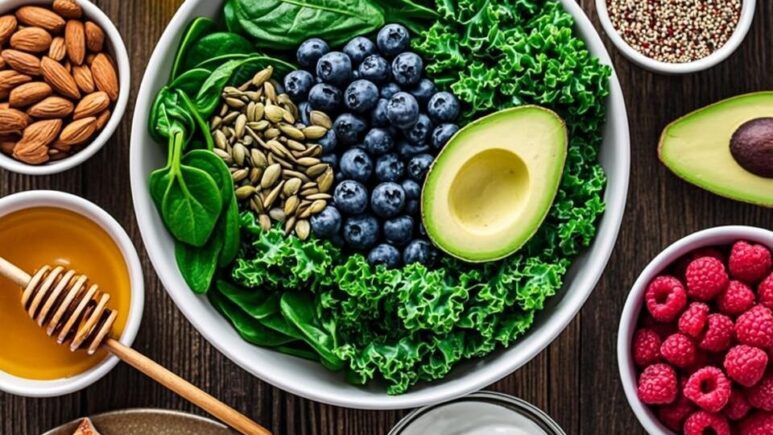
Why Adding the Best Healthy Foods to Your Daily Diet Matters
Incorporating the best healthy foods to add to your daily diet is one of the most impactful decisions you can make for your long-term wellbeing. A nutrient-dense diet supports immune function, enhances cognitive performance, and reduces the risk of chronic illnesses such as heart disease, type 2 diabetes, and certain cancers. Yet, with so much conflicting nutritional advice available, it can be challenging to discern which foods truly deserve a place on your plate.
The key principle behind selecting the best healthy foods to add to your daily diet is nutrient density — the ratio of essential vitamins, minerals, and phytonutrients relative to caloric content. Foods that are minimally processed and close to their natural state tend to offer the greatest nutritional value. By focusing on whole foods across diverse food groups, you can ensure your body receives a broad spectrum of nutrients necessary for optimal function.
Moreover, establishing a daily habit of consuming these foods is far more beneficial than occasional dietary changes. Consistency is what allows the cumulative effects of good nutrition to manifest, from improved energy levels to better digestive health. This article explores the most beneficial foods you should consider adding to your daily diet and explains precisely why they matter.
Leafy Green Vegetables: The Foundation of the Best Healthy Foods to Add to Your Daily Diet
Leafy green vegetables are arguably the cornerstone of any healthy diet. Varieties such as spinach, kale, Swiss chard, and collard greens are exceptionally rich in vitamins A, C, and K, as well as folate, iron, and calcium. These nutrients play vital roles in bone health, blood clotting, and cellular function.
Kale, for instance, is a nutritional powerhouse that provides more than 100% of your daily vitamin K requirement in a single serving. It also contains powerful antioxidants such as lutein and zeaxanthin, which are crucial for eye health. Spinach, similarly, is packed with iron and magnesium, both of which support energy production and muscle function.
The fibre content in leafy greens also promotes a healthy gut microbiome, which is increasingly recognised as fundamental to overall health. A thriving gut microbiome aids digestion, supports immune function, and may even influence mood and mental health. Adding a generous handful of leafy greens to your meals each day — whether in salads, soups, smoothies, or stir-fries — is a simple yet profoundly effective dietary habit.
Berries and Fruits: Antioxidant-Rich Additions to Your Daily Diet
Berries are among the most potent sources of antioxidants available in the human diet. Blueberries, blackberries, raspberries, and strawberries are loaded with anthocyanins — compounds that give berries their vibrant colours and help protect cells from oxidative damage. Regular consumption of berries has been associated with improved brain function, reduced inflammation, and a lower risk of cardiovascular disease.
Blueberries, in particular, have been extensively studied for their cognitive benefits. Research suggests that the flavonoids in blueberries can enhance memory and delay age-related cognitive decline. Additionally, berries have a relatively low glycaemic index compared to many other fruits, making them an excellent choice for maintaining stable blood sugar levels.
Beyond berries, incorporating a variety of whole fruits into your daily diet ensures a steady intake of vitamins, minerals, and dietary fibre. Apples, oranges, and kiwi fruit each offer unique nutritional profiles. The key is to consume fruits in their whole form rather than as juices, as whole fruits retain the fibre that slows sugar absorption and promotes satiety.
Whole Grains: Sustained Energy from the Best Healthy Foods to Add to Your Daily Diet
Whole grains are an essential component of a balanced diet, providing complex carbohydrates that deliver sustained energy throughout the day. Unlike refined grains, which have been stripped of their bran and germ, whole grains retain their full nutritional profile, including B vitamins, iron, magnesium, and dietary fibre.
Oats are a particularly commendable choice. They contain a type of soluble fibre called beta-glucan, which has been shown to reduce LDL cholesterol levels and improve heart health. Starting your day with a bowl of porridge made from rolled or steel-cut oats is an excellent way to incorporate whole grains into your routine.
Quinoa is another exceptional whole grain, notable for being a complete protein — meaning it contains all nine essential amino acids. This makes it especially valuable for vegetarians and vegans. Brown rice, barley, and whole-grain bread are also worthy inclusions. When selecting grain products, always check labels to ensure they are genuinely whole grain, as some products marketed as ‘multigrain’ may still contain refined flours.
Lean Proteins: Building Blocks for Health and Vitality
Protein is fundamental to virtually every biological process, from muscle repair to enzyme production. Including high-quality lean protein sources in your daily diet supports muscle maintenance, metabolic function, and feelings of fullness, which can aid in weight management.
Chicken breast and turkey are excellent sources of lean animal protein, providing substantial amounts of protein with relatively low fat content. For those who consume fish, salmon is an outstanding choice due to its high concentration of omega-3 fatty acids. These essential fats are crucial for brain health, reducing inflammation, and supporting cardiovascular function. The NHS recommends consuming at least two portions of fish per week, one of which should be oily fish such as salmon, mackerel, or sardines.
Plant-based protein sources are equally valuable. Lentils, chickpeas, and black beans provide protein alongside generous amounts of fibre, iron, and folate. Tofu and tempeh offer complete proteins and can be prepared in numerous delicious ways. Eggs, too, remain one of the most bioavailable protein sources available, containing all essential amino acids along with choline, which supports brain health.
Healthy Fats: Nuts, Seeds, and Avocados in Your Daily Diet
The era of fat phobia has long passed, and nutritional science now clearly distinguishes between harmful trans fats and beneficial unsaturated fats. Incorporating sources of healthy fats into your daily diet is essential for hormone production, nutrient absorption, and brain function.
Avocados are a remarkable source of monounsaturated fats, particularly oleic acid, which is associated with reduced inflammation and improved heart health. They also provide potassium — more per serving than a banana — and are rich in fibre. Adding half an avocado to your breakfast or salad is an effortless way to boost your healthy fat intake.
Nuts and seeds are equally impressive. Almonds, walnuts, and pistachios offer a combination of healthy fats, protein, and important minerals such as magnesium and selenium. Walnuts, notably, are one of the best plant sources of alpha-linolenic acid (ALA), a type of plant-based omega-3. Seeds such as chia, flax, and pumpkin seeds are nutritional powerhouses in their own right, providing lignans, antioxidants, and fibre. A small handful of mixed nuts and seeds daily can significantly enhance your nutritional intake.
Extra virgin olive oil deserves special mention as a staple of the Mediterranean diet, which is consistently ranked among the healthiest dietary patterns in the world. Rich in polyphenols and monounsaturated fats, olive oil is ideal for dressings and low-heat cooking.
Fermented Foods: Supporting Gut Health in Your Daily Diet
The importance of gut health has become one of the most exciting areas of nutritional research in recent years. Fermented foods, which contain live beneficial bacteria, are among the best healthy foods to add to your daily diet for supporting a diverse and resilient gut microbiome.
Yoghurt, particularly varieties labelled as containing live and active cultures, is perhaps the most accessible fermented food. It provides probiotics alongside protein, calcium, and vitamin B12. When selecting yoghurt, opt for plain, unsweetened varieties to avoid added sugars. Greek yoghurt is especially beneficial due to its higher protein content.
Kefir, a fermented milk drink, offers an even broader range of probiotic strains than yoghurt. Sauerkraut, kimchi, and kombucha are excellent non-dairy fermented options. Kimchi, a staple of Korean cuisine, not only provides probiotics but also contains garlic, ginger, and chilli — each with their own health-promoting properties.
Regular consumption of fermented foods has been linked to improved digestion, enhanced immune function, and even potential mental health benefits through the gut-brain axis. Starting with a small serving daily and gradually increasing can help your digestive system adjust comfortably.
Practical Tips for Incorporating the Best Healthy Foods into Your Daily Diet
Knowing which foods to eat is only half the battle; the other half is integrating them into your daily routine in a sustainable manner. One effective strategy is meal planning — dedicating time each week to plan your meals ensures you have the necessary ingredients on hand and reduces the likelihood of resorting to less nutritious convenience foods.
Batch cooking can also be invaluable. Preparing large quantities of whole grains, roasted vegetables, and protein sources at the weekend allows you to assemble nutritious meals quickly throughout the week. Keeping a well-stocked pantry with staples such as tinned beans, dried lentils, nuts, seeds, and whole grains ensures you always have the foundations of a healthy meal available.
Another practical approach is the ‘additive’ method — rather than restricting foods, focus on adding more healthy options to your plate. If you are having pasta, add a generous portion of sautéed greens. If you are enjoying yoghurt, top it with berries and seeds. This positive approach tends to be more psychologically sustainable than restrictive dieting.
Finally, remember that dietary changes need not be dramatic to be effective. Small, consistent additions of the best healthy foods to your daily diet will compound over time, yielding significant improvements in energy, health, and overall quality of life. The goal is not perfection but progress — building habits that you can maintain for a lifetime.
Visitor comments ( 0 )