
The Best High-Protein Foods For A Healthy Diet: A Comprehensive Guide
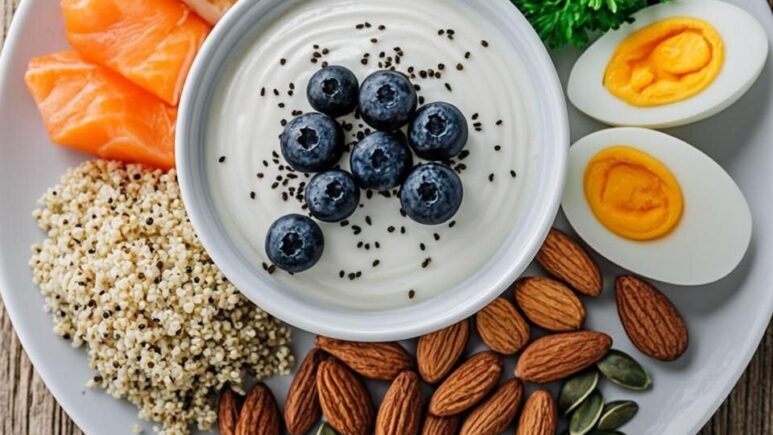
Understanding the Importance of Protein in a Healthy Diet
Protein is an essential macronutrient that plays a critical role in maintaining overall health and wellbeing. It serves as the building block for muscles, bones, skin, hair, and virtually every other tissue in the human body. When we consume protein-rich foods, our bodies break them down into amino acids, which are then used to repair tissues, produce enzymes and hormones, and support immune function.
For those striving to maintain a healthy diet, ensuring adequate protein intake is paramount. Not only does protein help preserve and build lean muscle mass, but it also promotes satiety, which can assist with weight management by reducing overall calorie intake. Research has consistently shown that high-protein diets can boost metabolism, reduce appetite, and support healthy ageing.
The current recommended daily intake of protein is approximately 0.8 grams per kilogram of body weight for sedentary adults. However, individuals who are physically active, recovering from illness, or looking to build muscle may benefit from consuming 1.2 to 2.0 grams per kilogram of body weight. Understanding which foods provide the best sources of protein is the first step towards achieving these nutritional goals.
Animal-Based High-Protein Foods: Quality and Bioavailability
Animal-based protein sources are often regarded as the gold standard due to their complete amino acid profiles, meaning they contain all nine essential amino acids that the body cannot produce on its own. Among the best animal-based high-protein foods for a healthy diet, lean meats such as chicken and turkey breast stand out, offering approximately 31 grams of protein per 100 grams whilst remaining relatively low in fat.
Fish and seafood are equally impressive protein sources. Salmon, for instance, provides around 25 grams of protein per 100 grams, along with heart-healthy omega-3 fatty acids. Tuna, cod, and prawns are also excellent choices, delivering high protein content with minimal saturated fat. For those who enjoy dairy, Greek yoghurt is a standout option, containing up to 17 grams of protein per 170-gram serving, whilst also providing beneficial probiotics for gut health.
Eggs remain one of the most cost-effective and versatile high-protein foods available. A single large egg contains approximately 6 grams of high-quality protein, along with essential vitamins such as B12, riboflavin, and selenium. The bioavailability of egg protein is considered one of the highest among all food sources, making it an ideal inclusion in any healthy diet. Cottage cheese, with approximately 11 grams of protein per 100 grams, is another dairy option worth incorporating, particularly for those seeking slow-digesting casein protein.
Plant-Based High-Protein Foods: Nourishment from Nature
Plant-based proteins have gained considerable recognition in recent years, not only among vegetarians and vegans but also among omnivores seeking dietary diversity. Lentils, for example, provide approximately 9 grams of protein per 100 grams when cooked, along with substantial amounts of dietary fibre, iron, and folate. Chickpeas offer a similar nutritional profile, delivering around 8 grams of protein per 100 grams whilst being incredibly versatile in culinary applications.
Quinoa is a remarkable pseudocereal that contains all nine essential amino acids, making it a complete plant protein. With approximately 8 grams of protein per cooked cup, quinoa also provides magnesium, phosphorus, and manganese. Tofu and tempeh, derived from soya beans, are among the most protein-dense plant foods available, with tempeh offering an impressive 19 grams of protein per 100 grams.
Nuts and seeds, whilst calorically dense, are excellent sources of protein and healthy fats. Almonds provide approximately 21 grams of protein per 100 grams, whilst pumpkin seeds contain around 19 grams per 100 grams. Hemp seeds are particularly noteworthy, offering 31 grams of complete protein per 100 grams, along with an optimal ratio of omega-3 to omega-6 fatty acids. For those who enjoy legumes, black beans, kidney beans, and edamame are all commendable choices that contribute meaningfully to daily protein intake whilst also supplying essential micronutrients.
Incorporating High-Protein Foods into Your Daily Meals
Integrating the best high-protein foods into a healthy diet requires thoughtful planning and culinary creativity. Breakfast presents an excellent opportunity to begin the day with a protein-rich meal. Consider starting with a bowl of Greek yoghurt topped with almonds and chia seeds, or a vegetable-packed omelette featuring eggs and spinach. For those who prefer plant-based options, a smoothie containing hemp protein powder, banana, and peanut butter can provide a substantial protein boost.
Lunch and dinner offer abundant possibilities for incorporating high-protein foods. A grilled chicken salad with quinoa, chickpeas, and a tahini dressing provides a balanced combination of animal and plant proteins. Alternatively, a hearty lentil and vegetable stew served with whole grain bread can deliver satisfying protein content whilst remaining entirely plant-based. Snacking on roasted chickpeas, a handful of mixed nuts, or cottage cheese with fresh fruit can help maintain steady protein intake throughout the day.
It is worth noting that protein distribution throughout the day matters as much as total intake. Studies suggest that consuming 20 to 30 grams of protein per meal optimises muscle protein synthesis and promotes better satiety. This approach also prevents the common pitfall of consuming the majority of protein at a single evening meal, which may be less effective for utilisation by the body.
Considerations and Potential Pitfalls When Choosing High-Protein Foods
Whilst incorporating high-protein foods into a healthy diet is generally beneficial, several considerations warrant attention. Firstly, the source of protein matters significantly. Processed meats such as sausages, bacon, and deli meats, whilst protein-rich, have been associated with increased risks of cardiovascular disease and certain cancers. Opting for lean, minimally processed protein sources is invariably the healthier choice.
Individuals with kidney disease should exercise caution when significantly increasing protein intake, as excessive protein consumption can place additional strain on renal function. Consulting with a healthcare professional or registered dietitian before making substantial dietary changes is advisable, particularly for those with pre-existing medical conditions.
Another consideration is the environmental impact of protein choices. Animal-based proteins, particularly beef and lamb, have a considerably larger carbon footprint compared to plant-based alternatives. Balancing dietary protein sources by incorporating more plant-based options can benefit both personal health and environmental sustainability. Additionally, variety remains key—consuming a diverse range of protein sources ensures a broader spectrum of amino acids, vitamins, and minerals, ultimately supporting optimal health outcomes.
Finally, it is important to remember that protein should be consumed as part of a balanced diet that includes adequate carbohydrates, healthy fats, vitamins, and minerals. No single nutrient, however important, can compensate for an otherwise poor dietary pattern. The best high-protein foods for a healthy diet are those that contribute to overall nutritional adequacy whilst aligning with individual preferences, ethical considerations, and health goals.
Visitor comments ( 0 )